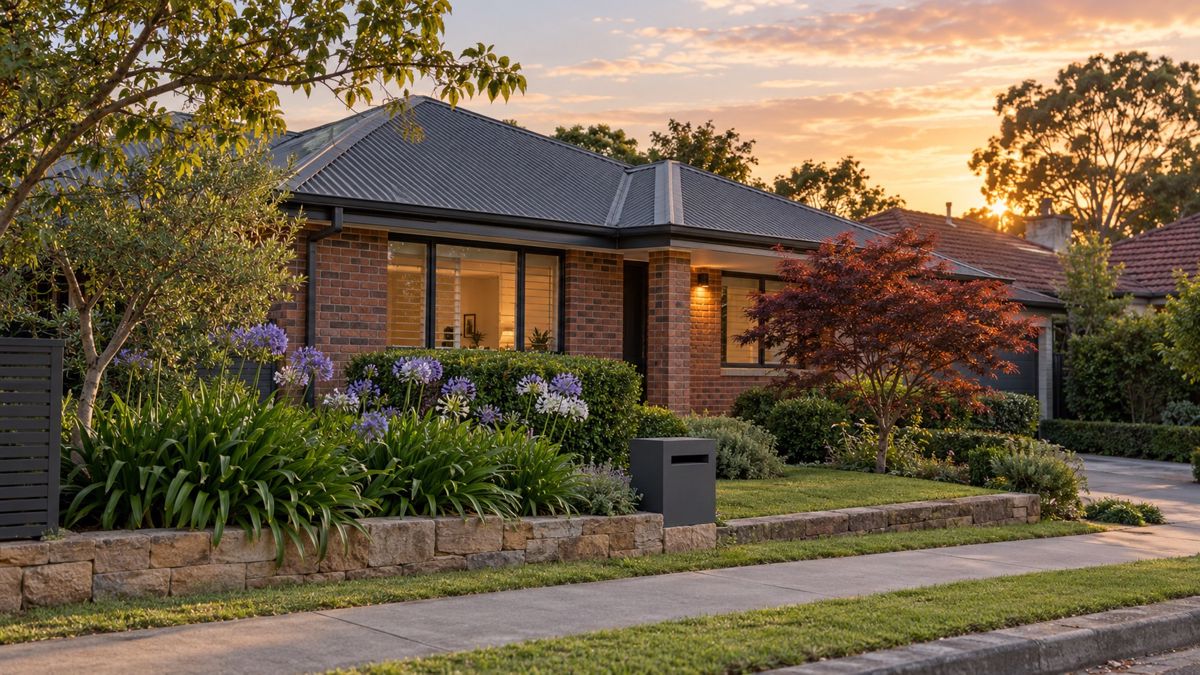
Most Sydney homeowners should expect a new roof to cost somewhere in the tens of thousands of dollars, with a typical suburban house often landing between about A$10,000 and A$30,000 in AUD. Small, simple roofs can come in under that. Large, steep or heritage roofs can go well over it. These are rough market guides, not quotes from this business, and the only number that matters is the one in a written quote for your roof.
What is a realistic price range for a new roof in Sydney?
Published guides for Australian re-roofing commonly quote a price per square metre of roof area. Many put metal and concrete tile re-roofs somewhere around A$70 to A$150 per square metre, with terracotta, slate and complex roofs sitting above that. Prices in Sydney tend to run higher than regional areas because of labour costs, access and disposal fees. Treat all of this as a starting point only.
The area that gets priced is the roof surface, not the floor area of the house. A single-storey 150 square metre house with a hipped roof may have a roof area of well over 200 square metres once you count the pitch and eaves. That is one reason online calculators often come out lower than real quotes.
Prices also move with the market. Steel, tile and labour costs have changed a lot in recent years, so any figure you read, including these ones, can date quickly.
What drives the price up or down?
The same-sized roof can be cheap or expensive depending on a few things.
- Material. Colorbond steel and concrete tiles are usually the more affordable choices. Terracotta, slate and some specialty metals cost more.
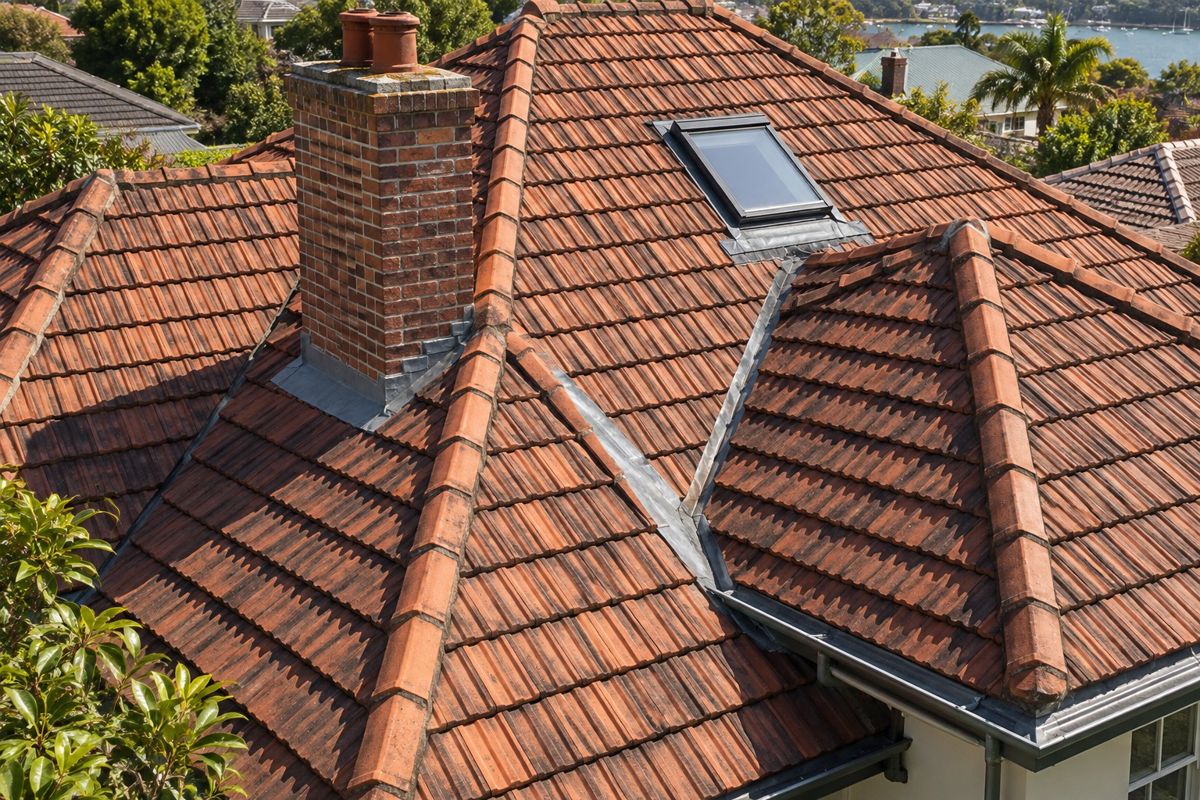
- Roof complexity. Every hip, valley, dormer, chimney and skylight adds flashing work and labour.
- Pitch and height. Steep roofs and two-storey homes need more safety equipment and take more time.
- Structure under the roof. Rotted battens, termite damage or weak framing add repair work. If you change from metal to tile, the framing may need strengthening.
- Access. Tight terrace lanes, steep blocks and no room for a skip bin push up labour and waste costs.
Ask each quote to break out these items so you can see what you are paying for.
How do the main roofing materials compare?
Each material has trade-offs beyond the headline price.
Concrete tiles
A common choice on Sydney homes built from the 1980s. They are heavy and durable, come in many colours and suit a lot of suburban streets. Tiles can crack under foot traffic or hail, and the pointing on ridges needs attention over time.
Terracotta tiles
Typical of Federation and inter-war homes. They hold their colour and last a long time, but cost more to buy and fit. In heritage areas, matching the original look may be a requirement.
Colorbond steel
Light, quick to fit and popular for renovations. It reflects heat well in lighter colours. Near the coast, ask about a coastal-grade product and the right fasteners, since salt air speeds up corrosion. Hail can dent steel sheets.
Slate
A premium material seen on some older houses. It needs specialist installers and can be expensive to repair or replace.
What extra costs catch Sydney homeowners out?
The quote for the roof surface is only part of the picture. These items often surprise people.
- Asbestos. Roofs and extensions built before the mid-1980s may have asbestos cement sheeting. It needs licensed removal and disposal, which adds cost.
- Gutters and downpipes. If these are old, replacing them with the roof is usually the sensible time to do it.
- Sarking and insulation. Adding or upgrading these under a new roof is much easier than later. In bushfire-prone areas, sarking and ember-resistant details may be required.
- Scaffolding and edge protection. Working at heights rules mean safe access has a price, especially on two-storey houses.
- Heritage and council requirements. In a heritage conservation area, changing the material or colour on a street-facing roof may need consent, which can add time and consultant costs.
- Hidden timber repairs. The framing is only visible once the old roof is off, so a good quote explains how repairs will be priced.
How do you compare roofing quotes properly?
Three quotes with three different layouts are hard to compare. Ask each contractor to cover the same points.
- The brand and type of material, plus colour and profile.
- The scope: what is removed, what is replaced, and what is kept.
- Flashings, ridge capping, gutters and downpipes.
- Sarking, insulation and battens.
- Waste removal and who takes the old material away.
- How hidden damage is handled and priced.
- The payment schedule and the start and finish window.
In NSW, residential building work above certain dollar values needs a written contract and the contractor must hold the right licence and, for larger jobs, home warranty insurance. The thresholds change, so check current rules with NSW Fair Trading and ask to see licence and insurance details. Be wary of any quote that asks for a large deposit or that is far below the rest without a clear reason.
Is repair a better option than a new roof?
Not always, but often it is worth checking first. If the damage is local and the rest of the roof is sound, repairs can extend its life for years. A few cracked tiles, failed flashings or worn pointing are repairable. Widespread cracking, rusted-through sheets, repeated leaks and failed battens usually mean a new roof is the more honest answer.
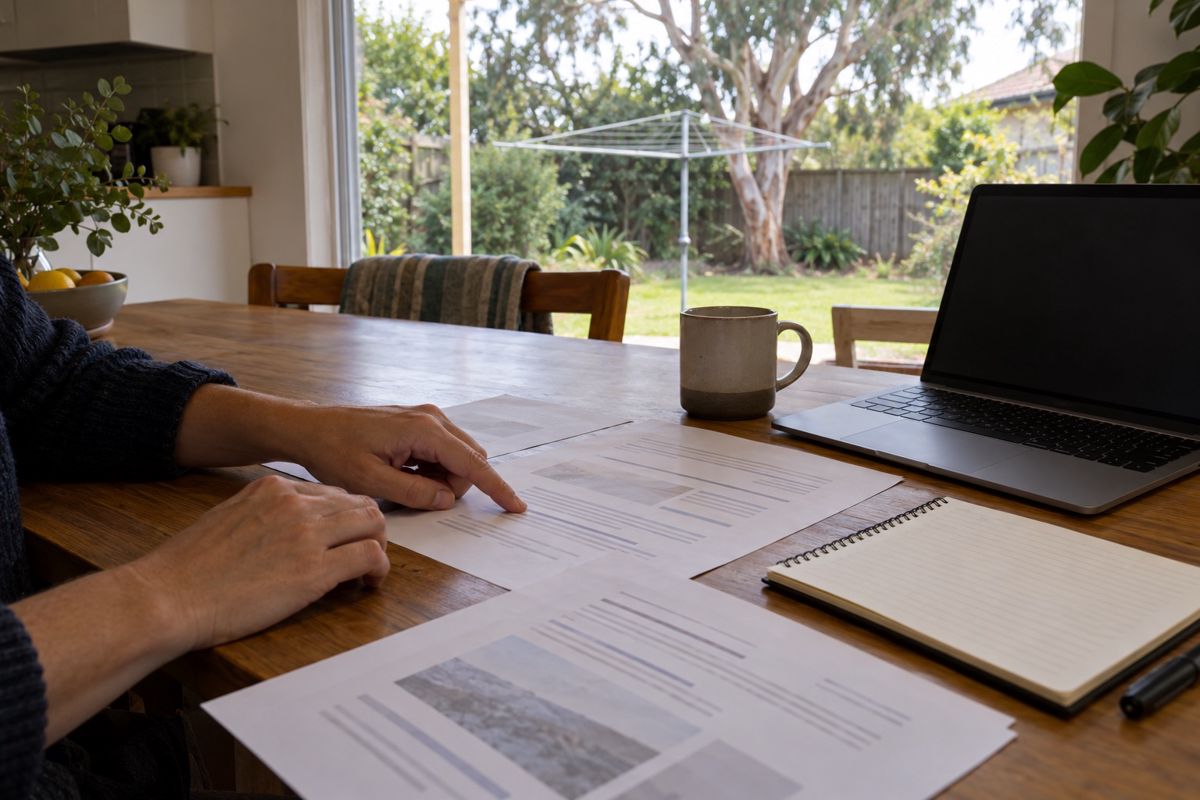
One practical step is to get a written inspection report before you ask for roof replacement quotes. It gives you an independent view of what is needed, and a clear brief to hand to each contractor. It also shows whether a repair now would buy you time to save for a replacement later.
What should you do next?
Work out the type of roof you have, take photos of any damage, and book a roof inspection if you are unsure of the condition. Then ask for written quotes that cover the same scope. If you are ready to look at a full re-roof, our roof replacement page explains how the work runs in Sydney, from stripping the old roof to the final clean-up. Prices on this page are broad market guides, and only a written quote for your roof counts.